
The Floral Industry’s Dirty Little Secrets: A Valentine’s Day Tell-All

You want long-stemmed red roses for Valentine’s Day. Of course you do.
But behind the romance is a floral industry built on toxic chemicals, plastic waste, massive carbon emissions, and worker exploitation. At Breemar Flower Farm in Ashland, Virginia, we believe love shouldn’t come at that cost.
The floral industry has been hiding some very dirty secrets. And I’m not talking about the fun kind. We are talking about a toxic relationship that is poisoning the planet and the people on it. It’s time to strip down the truth—naked, raw, and uncomfortably real.
Here are the sultry, shocking details your florist (probably) isn’t telling you.
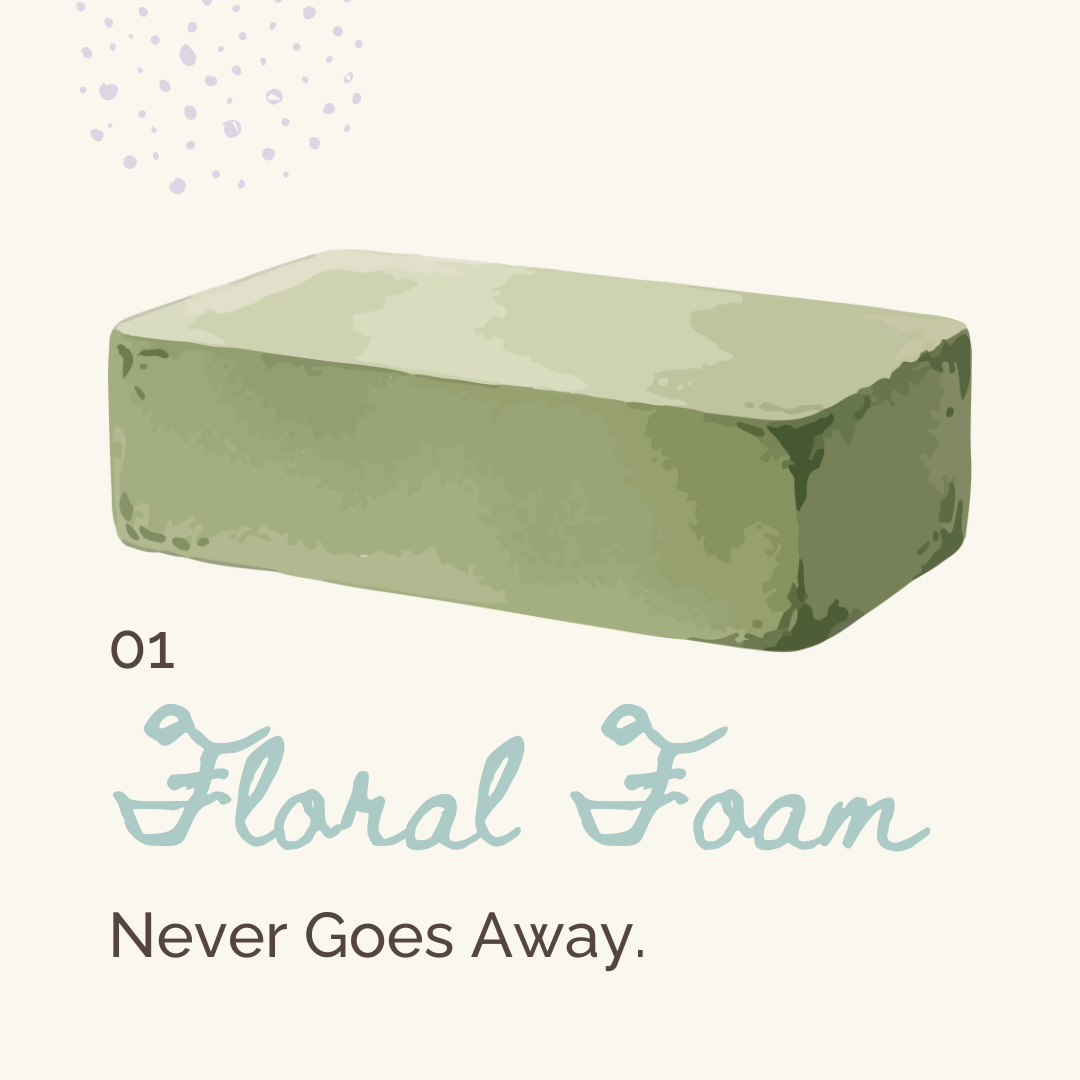
1. That Green Floral Foam Brick is Toxic (And We Don’t Mean Your Ex)
You know that squishy green foam that keeps your arrangement standing tall and perky? It’s called floral foam, and it is the ultimate "fake love."
• It’s basically cancer-sponge: Floral foam isn’t a natural moss; it’s a plastic product made from phenolic resins—specifically phenol and formaldehyde. Yes, formaldehyde, which is a known carcinogen.
• It’s a microplastic nightmare: When florists wash that green dust down the sink (and 72% do), it breaks into microplastics that aquatic animals ingest. One study showed that all invertebrates tested ingested the foam, which can leach toxic chemicals into the water.
• It doesn't go away: Despite some "biodegradable" marketing claims, experts warn that these plastics just fragment into smaller toxic pieces rather than truly returning to nature. It is a single-use plastic that will outlast your love affair by centuries.
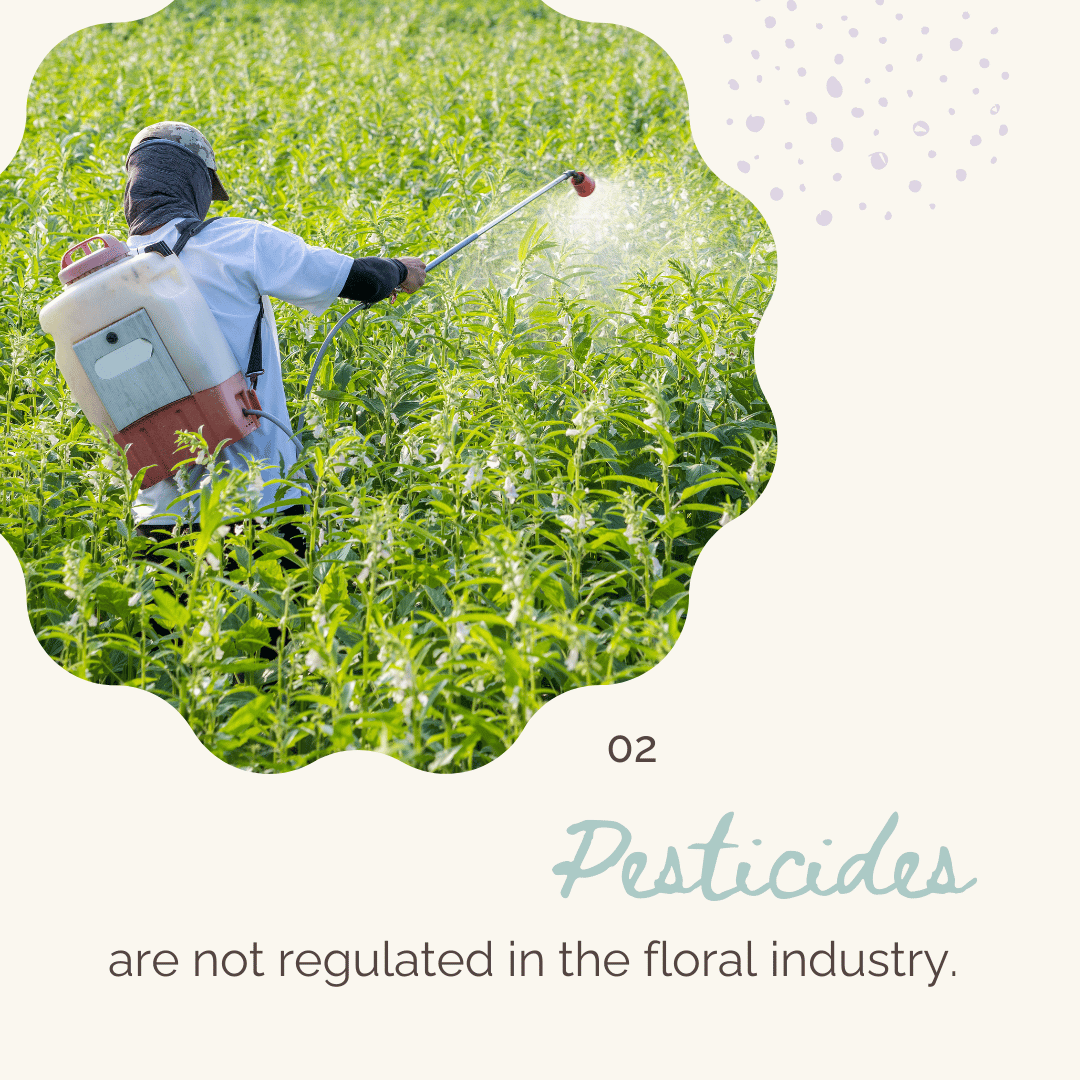
2. Your Roses Are Carrying "Baggage" (Chemical Baggage)
You wouldn’t eat a strawberry coated in poison, but you’ll bury your nose in a rose that is essentially a chemical weapon.
• Toxic Bombs: Imported flowers are often described by experts as "toxic bombs" because, unlike food, there are no limits on pesticide residue for cut flowers.
• Florists are getting sick: The people handling your Valentine’s bouquet are paying the price. Florists have reported dizziness, nausea, and fatigue after handling stems, with some studies finding pesticide residues in their urine even when wearing gloves. One study found a specific pesticide at levels 4x higher than the acceptable threshold.
• Tragic consequences: In a heartbreaking case in France, a florist’s daughter died of cancer linked to her mother’s pesticide exposure during pregnancy.

Want flowers you can actually feel good about?
Breemar Flower Farm offers foam-free, thoughtfully designed Valentine’s Day flowers using locally grown and responsibly sourced blooms.
👉 Limited Valentine’s Day arrangements available for Ashland, Hanover, and Richmond.
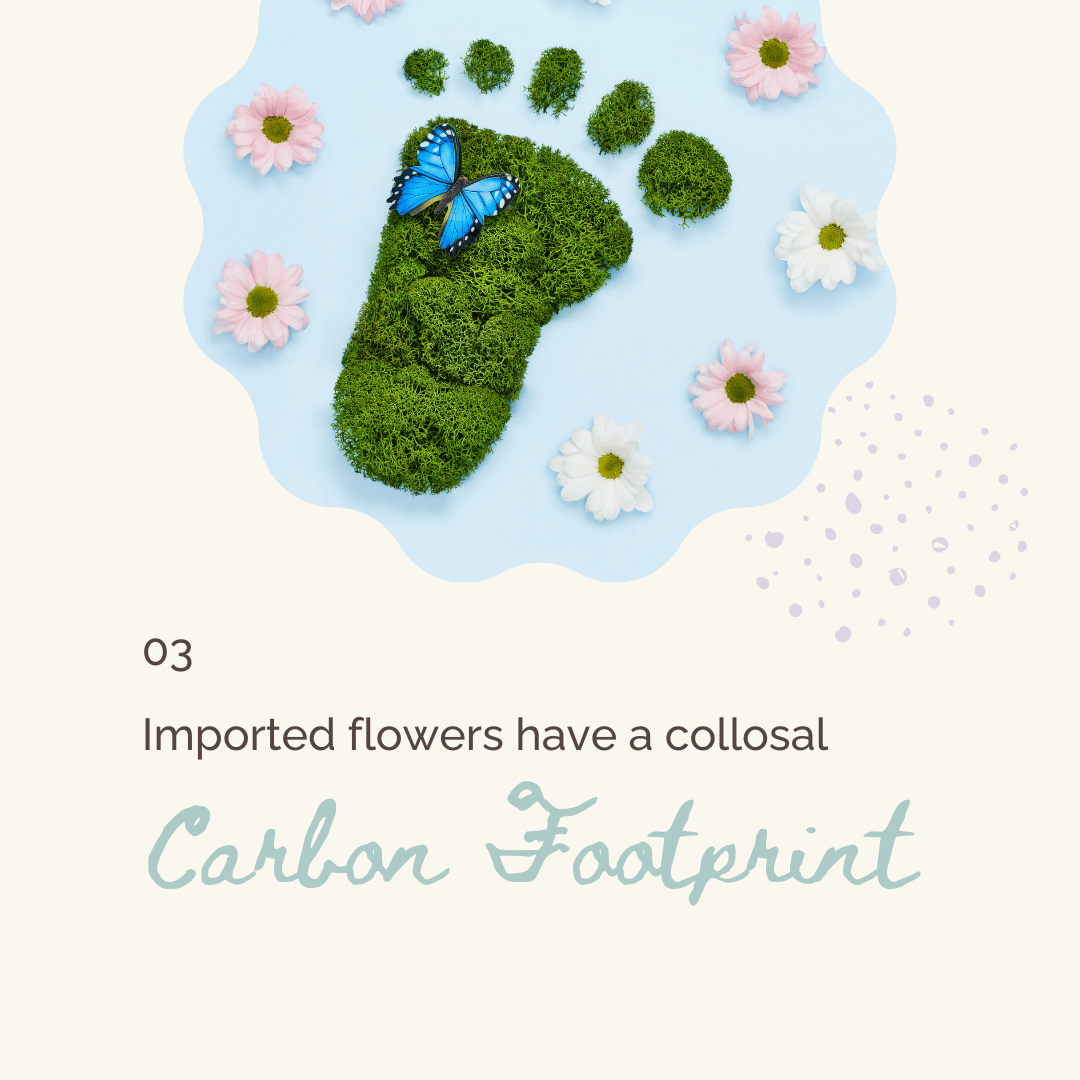
3. The Carbon Footprint is Bigger Than the Ego of a Finance Bro
You think your love is burning hot? It’s nothing compared to the planet-scorching emissions required to get those out-of-season roses to your door in February.
• Size matters: A single bouquet of imported roses can have a carbon footprint of up to 75kg of CO2. That is roughly the weight of an average man.
• The Travel: In the UK, for example, 570 tonnes of roses are flown in just for Valentine’s Day.
• Refrigerated Romance: These flowers travel thousands of miles in refrigerated airplane holds and trucks that consume 25% more fuel than standard trucks.
• The "Dutch Oven" Effect: Even if they aren’t flown from the equator, roses grown in northern greenhouses (like the Netherlands) consume "colossal" amounts of fossil fuels for heating—producing significantly more carbon emissions than those flown in from Kenya.
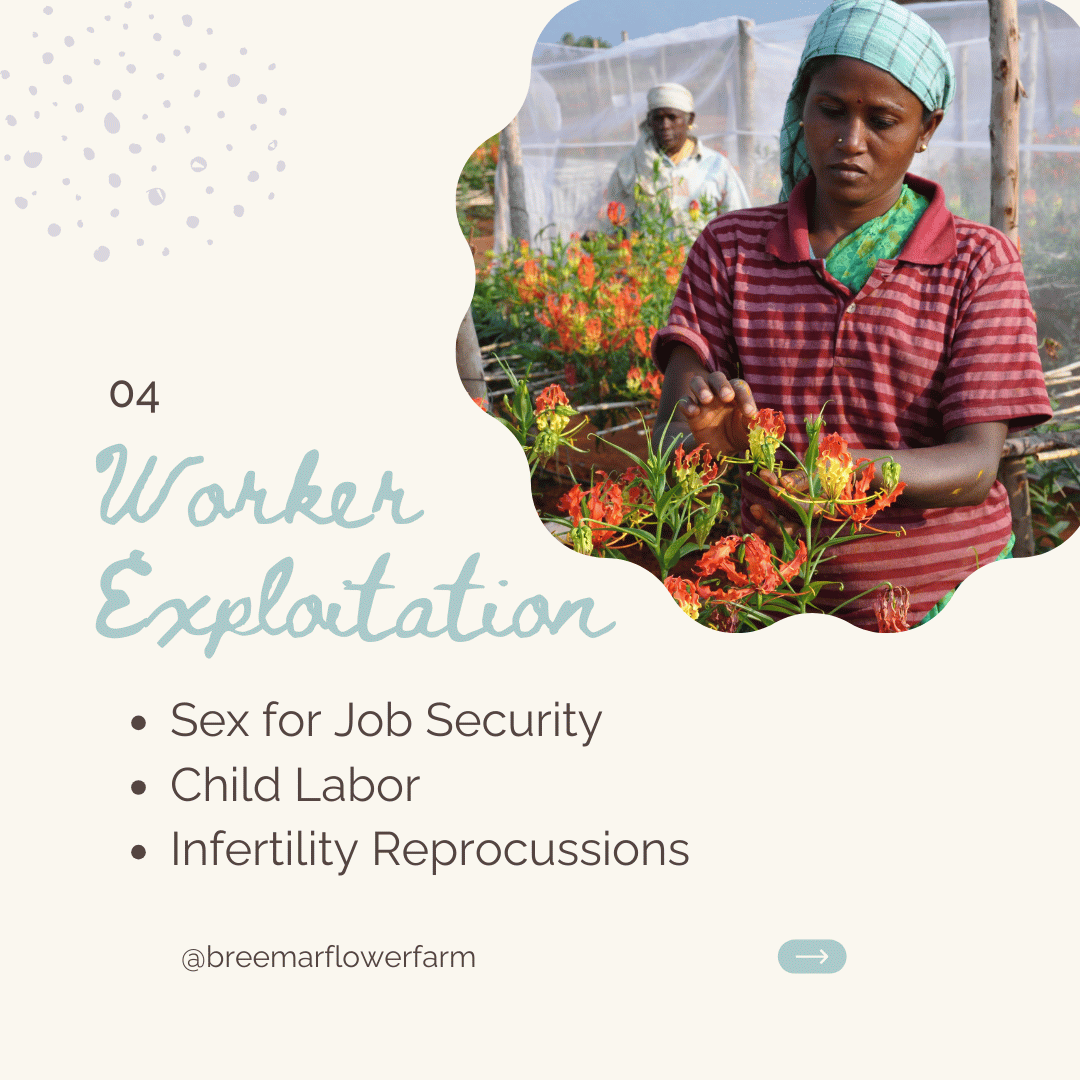
4. A "Bad Romance" for Workers
If you think your boss is demanding, wait until you hear about the conditions on some flower farms. It’s not just about low wages; it’s about exploitation that would make you blush for all the wrong reasons.
• Sex for Job Security: In Kenya, some female workers are given impossibly high production targets. When they can’t meet them, they are sometimes forced to offer bribes or sexual favors to supervisors just to keep their jobs.
• Child Labor: An undercover investigation into the perfume industry revealed that jasmine—a key ingredient for luxury scents—was being picked by minors in Egypt because their parents’ pay was too low to survive.
• Infertility: Exposure to the chemical cocktails on flower farms has been linked to severe health issues, including rendering some female workers infertile.
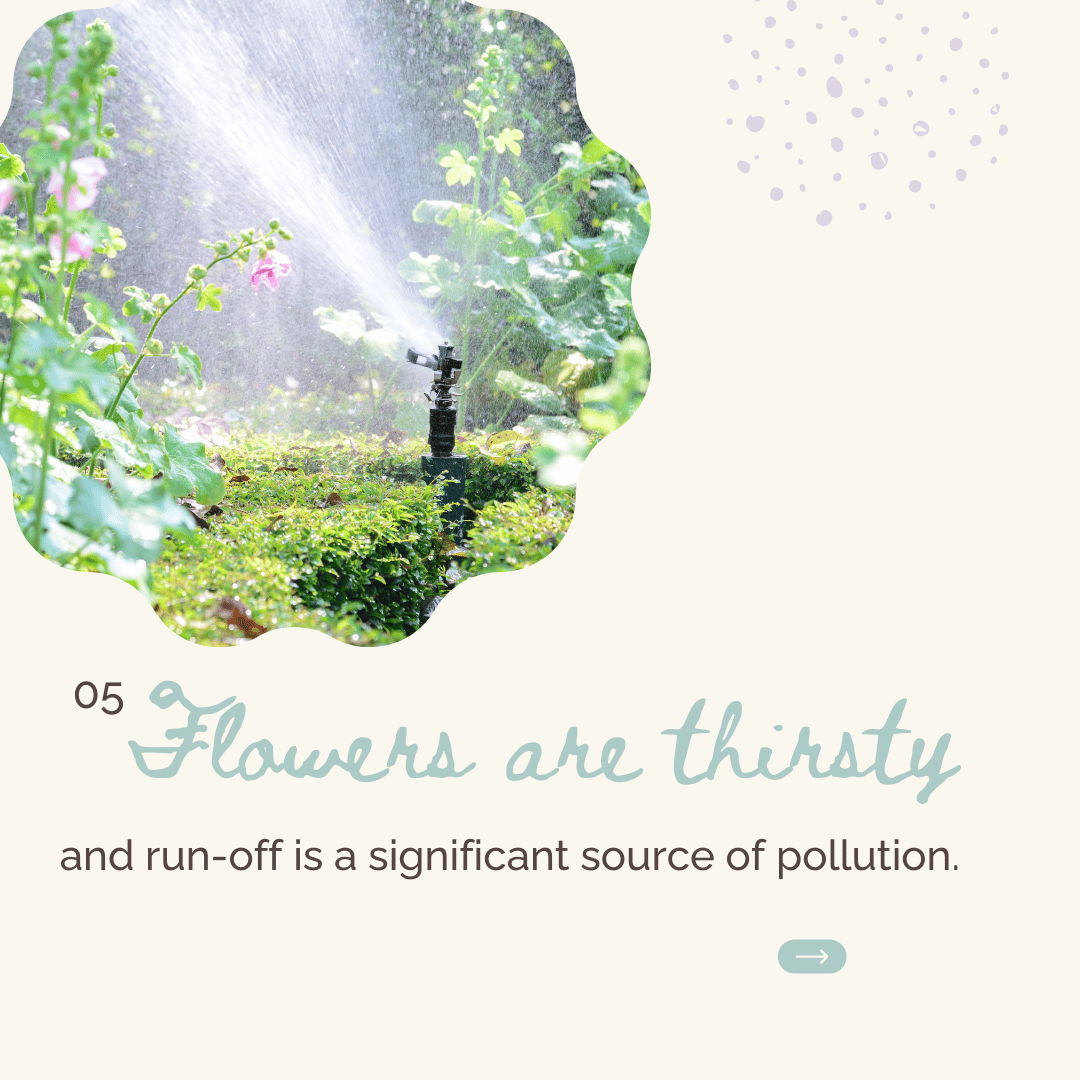
5. Thirsty Behavior
The floral industry is thirstier than a single person in your DMs at 2 AM.
• Draining the Life out of Lakes: A single rose stem has a water footprint of 7 to 13 liters. In Kenya, Lake Naivasha has seen half its water volume drained, partly to satisfy the thirst of flower farms.
• Gray Water: It’s not just about the water used; it’s about the water polluted. "Gray water" refers to the fresh water needed to dilute the pollutants and chemicals from runoff. In some intensive rose production, the pollution footprint is massive, contributing up to 92% of the total water footprint.
How to Love Flowers Responsibly
Look, I’m not saying cancel Valentine’s Day. I’m saying let’s make it consensual for the planet, too.
• Go Local: A locally grown bouquet has a carbon footprint of about 3lbs compared to the 165 lbs of an imported one.
• Go Naked: Ask your florist to skip the plastic wrap and definitely skip the green foam. Use chicken wire or moss for mechanics instead.
• Look for the Label: If you must buy imported, look for Fairtrade certification. It ensures better safety standards, bans the worst pesticides, and provides a premium fund for workers.
This Valentine's Day, keep the romance dirty in the bedroom, but keep your flowers clean.
Keep Blooming,
Nicole Dillon
Breemar Flower Farm | Ashland, VA
