
What Is the Difference Between a Flower Farm Florist and a Regular Florist?
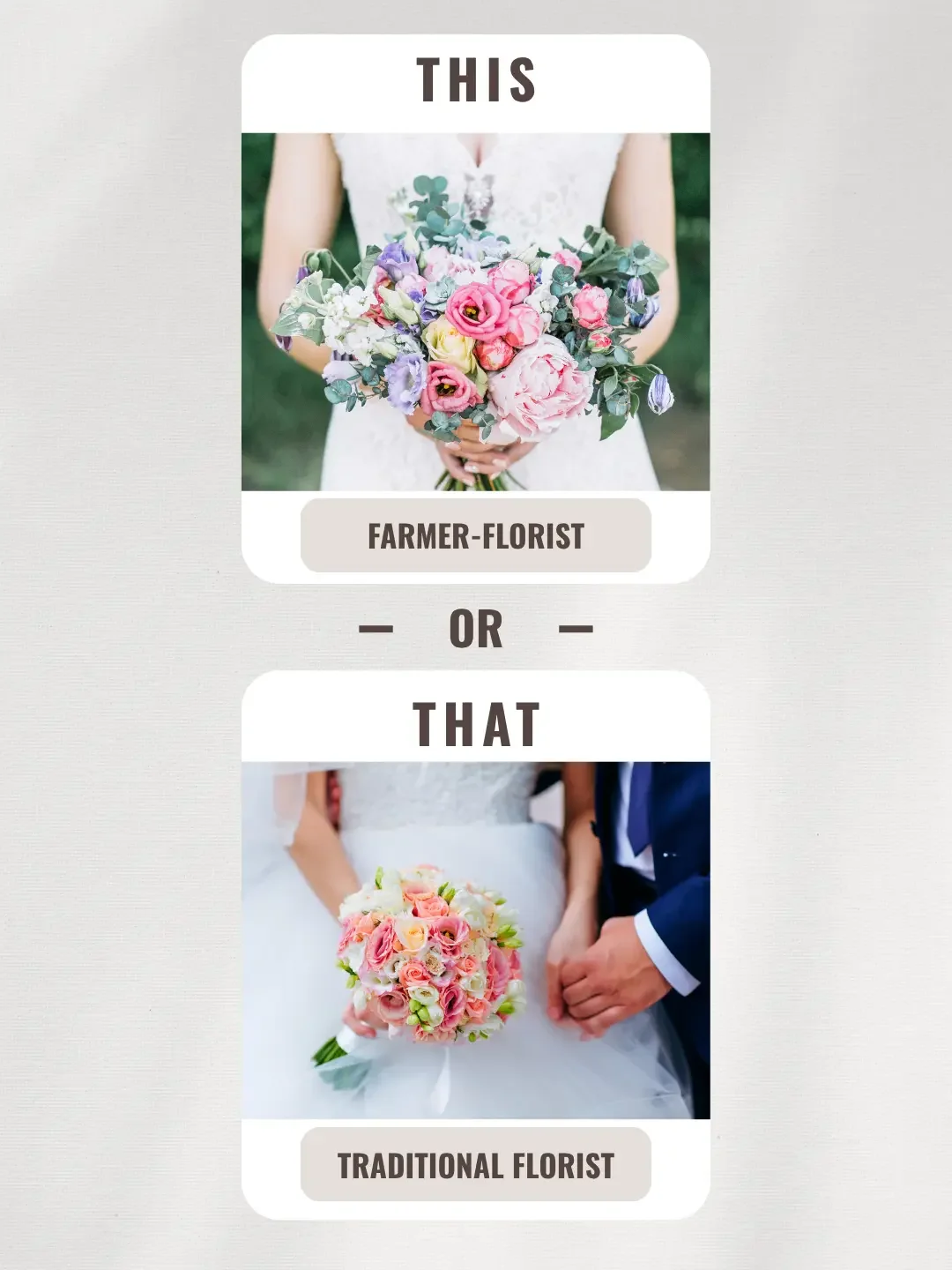
If you're planning a wedding, you've probably noticed that "florist" isn't a one-size-fits-all title. A farmer-florist and a traditional florist can produce beautifully different results, and understanding the real difference (not just the marketing language) can help you pick the right fit for your day.
Grown With the Seasons, Not Against Them
The biggest difference between a farmer-florist and a traditional florist comes down to one thing: connection to the seasons. A farmer-florist is working with what's actually blooming in the region on your wedding date, not fighting against it.
At Breemar, we don't typically import product. We grow as much as we can ourselves, source from other local growers nearby, and when something is out of season here, we work with trusted American partners in California and Florida, since flowers are blooming somewhere in the U.S. 365 days a year. We also source ranunculus from Canada when needed, since growers there do a beautiful job extending that season. Using American-grown product as much as possible is one of our core values.
This seasonal approach also shapes the flowers themselves. You'll typically see fewer long-stem imported roses and more garden roses, and the overall design style tends to be airy, flowy, and natural, rather than the tighter, more compact, traditional look you might get with all-white roses, carnations, and lilies from a conventional florist.
Where Sourcing and Trust Come Together
Not every farmer-florist operates the same way. Some are strict, hyper-local purists who only use what grows on their own property. Others have no issue importing from places like Colombia or Ecuador to get a bride exactly what she pictures. Breemar falls somewhere in the middle: our property is small relative to the volume of weddings we serve, so we supplement with sourced, seasonal, American-grown flowers when needed, while prioritizing what's closest and most local whenever possible.
Because of that, we don't guarantee specific flowers to a bride, only that we'll match her color palette and vision. That means working with a farmer-florist requires a bit of trust and a willingness to be a little hands-off, rather than micromanaging every stem. Brides who choose us usually already know our style, a natural, wildflower-forward look, and come to us because they want that aesthetic, not a rigid list of specific blooms.
Setting Honest Expectations Early
Since we can't guarantee exact flowers, being upfront matters. Flowers are fairly predictable when it comes to season and color availability, so we're able to set realistic expectations early, before a bride falls in love with something that simply won't be blooming on her date.
If a bride is right on the seasonal border, say, an April wedding with a heart set on peonies, we can often source from a warmer climate to make it work. But if someone needs very specific blooms that are firmly out of season, we're honest that we may not be the right fit, and that's genuinely okay. A traditional florist can source nearly anything, any time of year. It just comes at a cost.
How Cost and Value Compare
Pricing between traditional florists and farmer-florists is often more similar than people expect, it really comes down to which flowers are requested. Want something trendy and out of season, like sweet peas because a Taylor Swift carried them? Wholesale cost alone can run around $30 a bunch, and a florist typically marks that up three to four times. A good florist, farmer or traditional, can help substitute similar looks to protect your budget.
With a farmer-florist, what you're really buying is freshness, sustainability, and flowers grown close to home, along with flexibility a traditional florist often can't offer. At Breemar, we offer DIY and hybrid options: we handle the highly photographed, personal pieces like bridal bouquets, bridesmaid bouquets, and boutonnieres, while brides can DIY the rest with our prepped, curated Buckets of Blooms. Most traditional florists only offer full-service, which comes with more labor, delivery, and setup fees. Going the DIY or hybrid route with a local farmer-florist can mean real savings, especially when friends or family are willing to help set things out. For a full breakdown of real pricing, see how much a wedding florist costs in Richmond.
Is a Farmer-Florist the Right Fit for You?
Every farmer-florist offers something a little different, so I can only speak honestly to what Breemar Flower Farm is right for.
I'm the right fit for a bride who wants a garden-inspired, seasonal, wildflower-style wedding and isn't locked into specific blooms, someone who trusts me to deliver something beautiful that will stand the test of time. I'm probably not the right fit for a bride with a large floral budget wanting elaborate full arch displays, hanging greenery installations, or flower chandeliers. We do take on a limited number of full-service weddings each year with a $10,000 floral minimum, for the right client and the right fit, but most of our brides pick up their flowers from our Mechanicsville, VA pickup location or opt for venue delivery (without set-up).
Our ideal bride has a friend, family member, or wedding planner willing to help set arrangements out, since our pieces are designed to be easy to transport and install rather than elaborate builds. Because we don’t often offer setup, we can save you significantly in labor and setup and tear-down fees. If that sounds like your wedding vision, we'd love to help bring it to life with as little stress as possible.
Whether You Want Full-Service or DIY
Whether exclusively DIY Buckets or complete à la carte finished florals, I'll help you figure out what fits your wedding vision and your budget. Start with my Investment Guide & Calculator, then reach out through my inquiry form and let’s talk about whether Breemar is the right fit for your day.
Keep Blooming,
Nicole Dillon
